

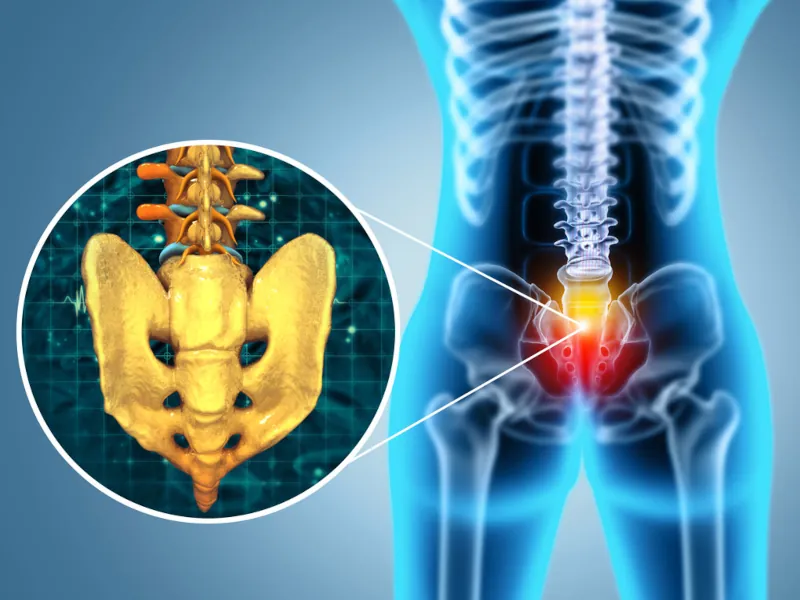
Across cultures, the sacrum has long been regarded as more than just a bone. In the West, its very name—derived from the Latin os sacrum, or “sacred bone” — hints at ancient reverence. In Eastern healing systems, this triangular bone at the base of the spine is closely tied to vitality, reproduction, emotional balance, and creativity.
While modern anatomy situates the sacrum within the skeletal and nervous system, Eastern traditions view it as a gateway to life force: the root of energy that governs sexuality, vitality, and the will to live. Indian, Thai, Chinese, and Japanese systems each interpret the sacrum through their own lenses — chakras, energy lines, meridians, or Ki — but all share the recognition that it anchors human energy, both physically and spiritually.
Indian tradition
The core principle of spiritual Indian wellness systems—Ayurveda, Yoga, and Tantra—centers on the flow of energy that rises from the base of the spine to the crown of the head, passing through seven energy centers known as chakras. Each chakra corresponds to specific physical, emotional, and spiritual dimensions of life. When these energy centers become blocked or imbalanced, it is believed to result in physical ailments, emotional distress, or an overall sense of disharmony.
The first chakra, Muladhara (Root Chakra), is located at the perineum and is associated with the excretory organs (colon, rectum, bladder, and urethra) as well as, in part, the reproductive organs shared with the second chakra. In Yogic practices, Muladhara is seen as the reservoir of dormant spiritual energy known as Kundalini, depicted as a serpent coiled three and a half times within the sacrum bone, awaiting activation.
However, the sacrum bone is more intricately linked to the second chakra, Svadhisthana (Sacral Chakra), situated in the lower abdomen just below the navel. This chakra is associated with the reproductive organs, large intestines, and kidneys. In Sanskrit, Svadhisthana means “sweetness,” and it is often referred to as the Pleasure Chakra, as it governs emotional balance, pleasure, sensuality, intimacy, sexual energy, and the enjoyment of sensory experiences.
The Sacral Chakra can be opened and activated through hip-opening yoga poses (such as Pigeon Pose or Bound Angle Pose), as well as specific breathing and meditation techniques. These practices are designed to release suppressed desires or trauma, enhance pleasure, and foster a sense of emotional freedom and vitality.
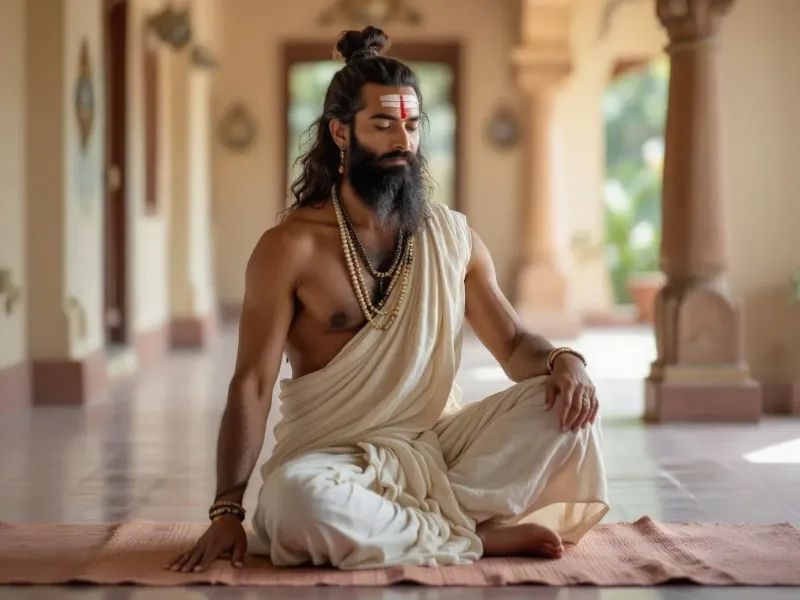
While yoga exercises directly stimulate the Sacral Chakra, Ayurvedic treatments—including oil massages (Abhyanga), herbal remedies, dietary plans, daily routines, and cleansing therapies—support it indirectly by balancing the Kapha and Vata doshas, which are related to the water and movement qualities of the Sacral Chakra. Ayurvedic chakra-balancing massages often combine physical touch with aromatherapy to address both body and mind.

To promote emotional flow and vitality in the sacral region, an Abhyanga therapist uses gentle, clockwise circular strokes around the lower abdomen, hips, and pelvic area. This technique helps activate the water element and counteract Kapha’s stagnation, which can manifest as emotional repression. The choice of oil—often infused with herbs—is carefully tailored to the Sacral Chakra’s qualities: warming and grounding oils like sesame promote stability, while rose and sandalwood soothe emotions and enhance sensuality. Alternatively, sweet orange or ylang-ylang essential oils may be added for their uplifting and aphrodisiac properties.
In modern wellness centers, Ayurvedic sacral massage is gaining popularity for its ability to address stress-related disorders and sexual dysfunction. By stimulating the sacral nerves, these massages can alleviate symptoms of anxiety or low libido, aligning with Western research on the sacrum’s neural connections to the reproductive organs.
Thai tradition
Traditional Thai medicine, rooted in Indian yoga and Ayurveda, simplified and reinterpreted the Indian concept of life force, shaping it into a more practical framework for therapeutic treatment rather than for meditation or kundalini awakening. Instead of focusing on chakras, it emphasizes ten main energy lines (Sen) and vital points (Lueak Sadue) along them, which are most accessible through massage and bodywork such as acupressure, stretching, and herbal compresses.
The closest Thai counterpart to Indian subtle centers is the navel center (ศูนย์กลางสะดือ, Sun Jang Sadue), located at the umbilical area, where all ten major Sen lines are said to converge. This is considered the origin point of energy circulation throughout the body, though Thai texts do not frame it in the metaphysical language of chakras. Instead, Thai abdominal massage (Nuad Tao Fai) around this center is usually applied to improve digestion, relieve bloating and constipation, and sometimes support menstrual health.
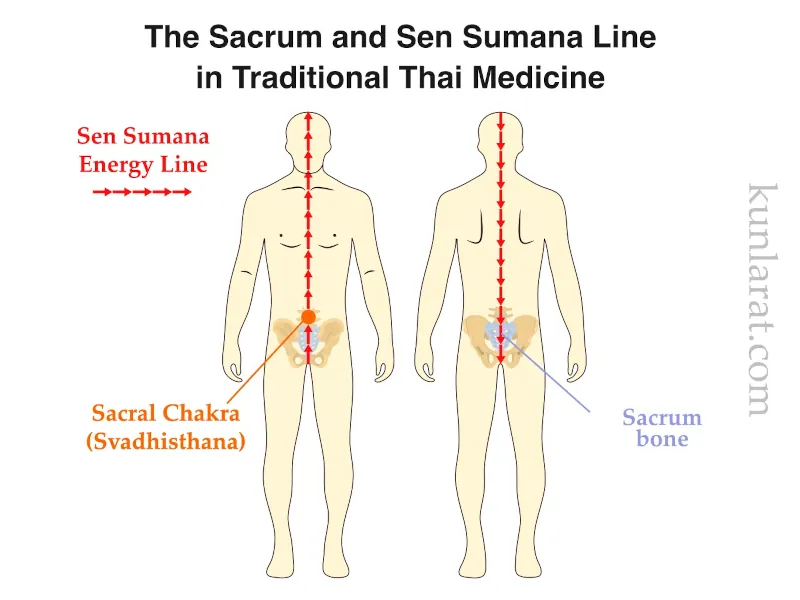
The sacral region, meanwhile, plays an important role as a gateway for energy flow into the spine. Several Sen lines originate in the lower pelvic area and pass near the sacrum: Sen Sumana (the central channel along the body’s midline), and its left–right counterparts Sen Itha and Sen Pingkhala. This makes the sacrum an important therapeutic area in Thai massage. Techniques such as rhythmic palm pressure, gentle rocking, and stretches across the sacral zone are used to relieve lower back pain, ease sciatica, and improve circulation in the pelvic organs.
From an elemental perspective, the sacrum corresponds to the earth element—associated with stability and grounding. Releasing tension here not only alleviates physical discomfort but also calms the nervous system, restoring a sense of security and balance.
Chinese Tradition
In traditional Chinese medicine, the sacrum is known as the “Immortal Bone.” Its significance is closely tied to the Lower Dantian, one of three core energy centers, located in the lower abdomen—two finger widths below the navel, above the perineum, and in front of the sacrum. This center is associated with physical vitality, reproduction, and grounding.
The Lower Dantian roughly overlaps with the location of the Sacral Chakra and is sometimes considered a combination of the Root and Sacral Chakras. However, while Chinese Dantians and Indian yogic chakras may appear similar, they differ in that chakras are regarded as energy gateways, whereas Dantians are seen as reservoirs of foundational life energy (Qi in Chinese).
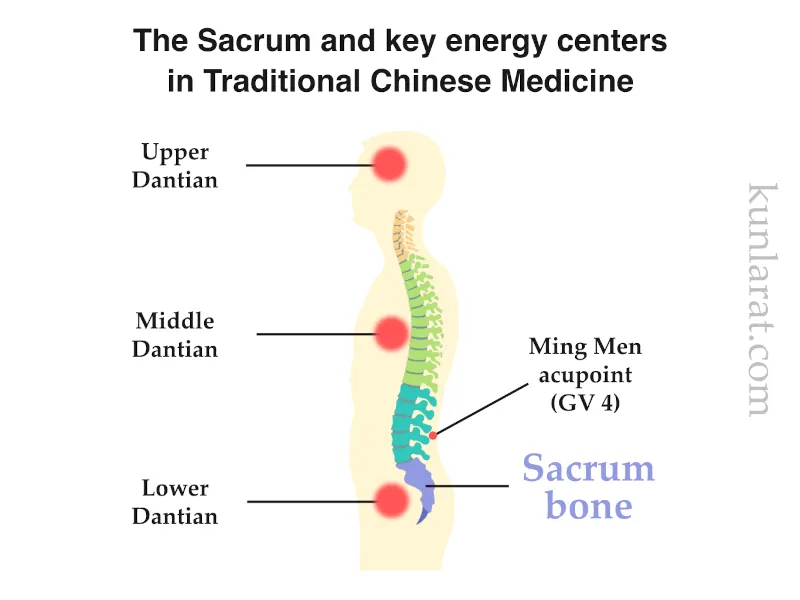
The sacrum also aligns with the Ming Men, meaning “Gate of Life” or “Gate of Destiny,” a vital energy point situated between the kidneys at the level of the sacrum. Associated with the kidneys’ Yang functions, the Ming Men is regarded as one of the most important points for strengthening reproductive and sexual health, as well as overall constitution.
The sacrum’s proximity to these crucial energy centers makes it a focal point for stabilizing and nourishing the body’s energy, promoting longevity, supporting reproductive and emotional health, and addressing lower back pain.
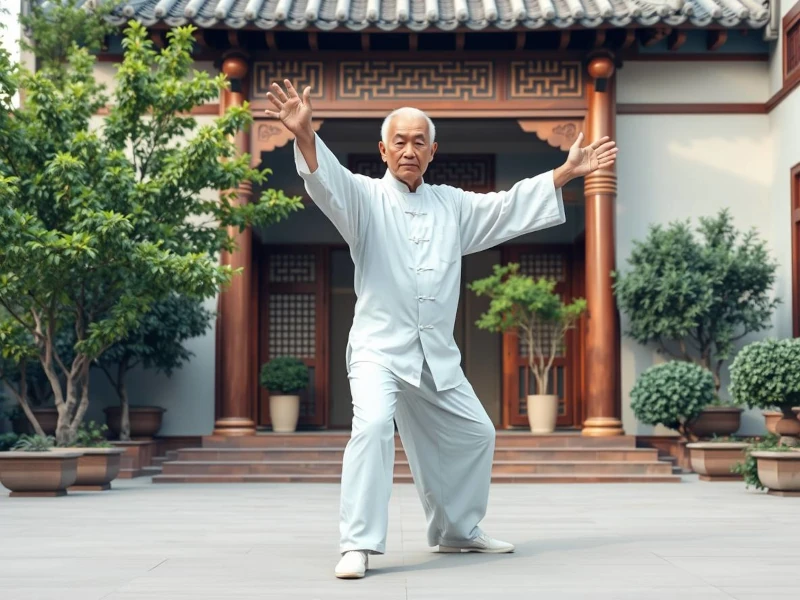
Practices such as Qigong and Tai Chi emphasize breathwork, meditation, gentle flexing and rhythmic movement of the lower abdomen (sometimes referred to as sacral pulsing), and focused awareness in this area. Tui Na’s sacral massage stimulates the flow of Qi through the Lower Dantian and Ming Men using kneading, pressing, or rolling techniques, often complemented by acupuncture and moxibustion.
Japanese tradition
Traditional Japanese medicine, also known as Kampo, is a localized adaptation of Traditional Chinese Medicine, with a stronger emphasis on massage and bodywork practices. For instance, the Japanese developed the unique back-walking massage technique, Ashiatsu. The physical core of the body, located in the lower abdomen and regarded as the seat of life force, willpower, and inner strength, is called Hara in Japanese.
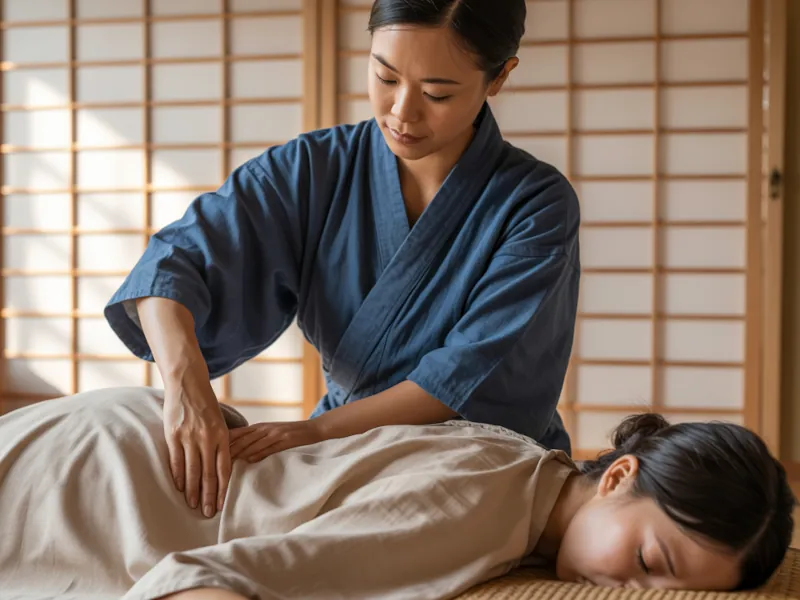
In Japanese tradition, the sacrum is regarded as an energetic reservoir for emotional stress and repressed sexuality. Unresolved emotions stored in this area can lead to physical tension and energetic blockages, manifesting as symptoms such as anxiety, insomnia, chronic fatigue, or lower back pain. This view aligns with Ayurvedic theories about the sacral chakra, underscoring the sacrum’s pivotal role in emotional health.
Shiatsu, a form of Japanese therapeutic massage, includes a specialized technique known as Sacral Hole Shiatsu. This method focuses on the small openings in the sacrum, where nerves and energy pathways intersect. Practitioners use precise, sustained pressure or rhythmic tapping on these points, often synchronizing their movements with the client’s breathing
Conclusion
Although Indian, Thai, Chinese, and Japanese healing traditions differ in their terminology and methods, they converge on one insight: the sacrum is more than a structural bone. It is a reservoir and gateway of energy, intimately connected with reproduction, vitality, and emotional balance.

Taken together, these perspectives suggest that the sacrum—this “sacred bone”—represents humanity’s universal intuition that the foundation of our spine is also the foundation of our life force.