

There’s no universal answer because the ideal frequency depends on three key factors: the type of massage, your health goals, and how your body responds to treatment.
Are you seeking relaxation? Energy balance? Muscle recovery? Chronic pain relief? Each massage style affects the body differently. Some can be enjoyed daily, while others require time for integration and recovery between sessions.
Let’s break it down into four main categories — and how often each one is recommended:
1. Western (Swedish) massage for relaxation
Western-style relaxation massage – often called Swedish or oil massage – uses gentle techniques including long gliding strokes, soft kneading, and light tapping. Rather than targeting deep muscle work, these massages focus on calming the nervous system, releasing surface tension, and reducing stress. The primary goals are pleasure, relaxation, and emotional balance.
You can safely enjoy this kind of massage every day. It doesn’t overstimulate the body and carries no medical risks if done frequently. Even short 30-minute sessions focusing on one area can be beneficial. The key to maximizing benefits is consistency. When massage becomes part of your regular routine—whether weekly or daily—the positive effects compound over time.
Note: While there’s no physical harm in daily relaxation massage, some people may develop a form of emotional dependency, feeling unable to relax without it. This isn’t dangerous, but it’s worth being aware of.

2. Eastern energetic massages for energy boost and wellness
Traditional Eastern massage modalities – including Thai Nuad Boran, Japanese Shiatsu, Chinese Tui Na, and Indian Ayurvedic massage – are based on the idea that vital energy flows through the body along specific energy pathways. These treatments aim to unblock and rebalance energy flow by manipulating energy lines and points through techniques such as pressure, compression, assisted yoga-like stretching, and joint mobilization.
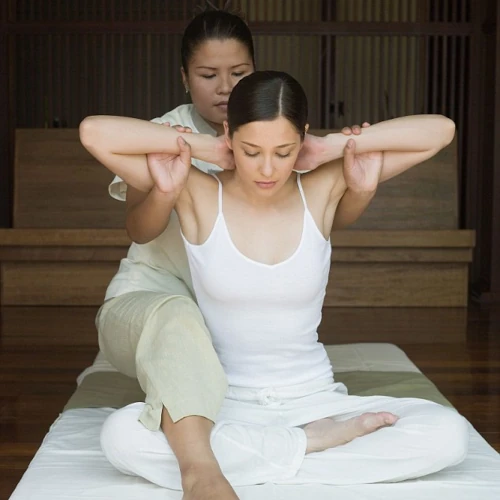
From a Western medical perspective, the revitalizing effects stem largely from increased circulation and improved oxygen delivery to muscles and tissues, creating a natural energy boost that combats fatigue and supports overall wellness.
Because a properly performed energetic massage – particularly traditional Thai massage – involves a deep energetic reset, we recommend receiving it no more than 1–2 times per week, with at least 2–3 days between sessions, depending on your body’s response. Daily sessions are not advised.

2.1 Eastern foot massage – a gentler alternative
Eastern foot massage represents a concentrated version of full-body energetic massage. While gentler and more localized, it follows the same principles of stimulating energy pathways and reflex zones, particularly those connected to internal organs and the lower body.
As part of a wellness routine, we recommend getting a foot massage 2–3 times per week. If you’re experiencing fatigue, swelling, or tension in your legs or feet, you can safely receive daily sessions for 5–7 consecutive days, followed by a break.
Daily foot massage is especially beneficial when you:
- Have a sedentary job or spend long hours standing (to improve circulation and reduce swelling)
- Experience chronically tired legs after long walks, travel, or hiking
- Deal with early-stage varicose veins (gentle massage only)

3. Deep tissue massage for athletic performance
Deep tissue massage employs slow, firm pressure to target deeper layers of muscle and connective tissue. It helps release chronic muscle tightness, improve range of motion, and speed up recovery after intense training. The goal is to enhance performance and prevent injury – not to relax, but to restore.
For active individuals or athletes, 1–2 sessions per week during periods of intense training may be ideal. After an injury or event, a single focused session can make a difference.
Too often is counterproductive – muscles need time to recover between sessions.

4. Remedial Massage for Chronic Pain & Specific Conditions
This type of massage is focused on relieving pain, reducing muscle and joint tension, and restoring mobility. Whether you’re dealing with Text Neck, Upper Cross Syndrome, Frozen Shoulder, or Sciatica, remedial massage helps release tension, improve circulation, and ease pressure on nerves and arteries.
How often?
There’s no fixed rule – it depends on your specific condition, your body’s response, and your treatment goals. Some clients thrive with weekly sessions, while others do well with biweekly or monthly treatments. Generally, starting with regular sessions (e.g., 1-2 times per week) is recommended, followed by a maintenance schedule (e.g., every 3-4 weeks) as symptoms improve.
For acute conditions, we may recommend a short intensive series followed by regular maintenance sessions. For example, Sciatica may require daily 30-minute sessions for a couple of weeks initially, then less frequent maintenance.
Important! If you’re dealing with ongoing or unexplained pain, it’s always best to consult a doctor first before starting any kind of massage therapy.

Remember, the best massage frequency is one that fits your lifestyle, addresses your specific needs, and feels sustainable for your body and budget. Start conservatively and adjust based on how you respond to treatment.