
In traditional Chinese medicine (TCM) and practices influenced by it, such as traditional Japanese medicine and Japanese Okido Yoga, the calves are intimately connected to the Bladder and Kidney meridians, which form a paired energy system. The Bladder meridian runs along the back of the calf and is tied to the Water element, governing urinary function, toxin elimination, and energy regulation. The Kidney meridian, which runs along the inner calf, influences vitality and willpower.
When calf muscles become tight, they can obstruct the natural flow of energy through these meridians. Disharmony in the Bladder meridian leads to a buildup of toxins, manifesting as fatigue, lower back pain, swelling, urinary issues, or irregular menstruation. Emotionally, the Bladder meridian is linked to fear, so blockages may surface as anxiety, nervousness, or difficulty managing stress. Similarly, imbalances in the Kidney meridian can cause mental fatigue and diminished resilience.

Massage as Energy Medicine
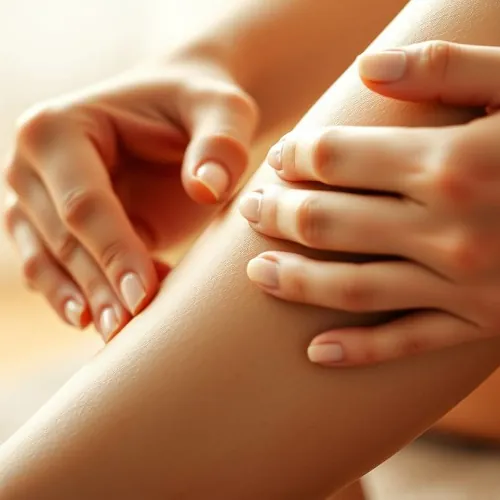
From the perspective of Eastern medicine, massaging and stretching the calf muscles can restore energy flow, nourish the kidneys and bladder, and alleviate both physical and emotional tension. Calf massage primarily stimulates the Bladder meridian, but movements that cover the area around the Achilles tendon also positively impact the Kidney meridian.
Various traditions and techniques of energetic massage have evolved across different cultures. Chinese Tui Na focuses on firm, precise pressure at specific acupoints for targeted symptom relief, while Japanese Shiatsu uses gentle, rhythmic pressure along complete meridian paths to promote holistic relaxation and energy balance.

Calf Massage in Okido Yoga
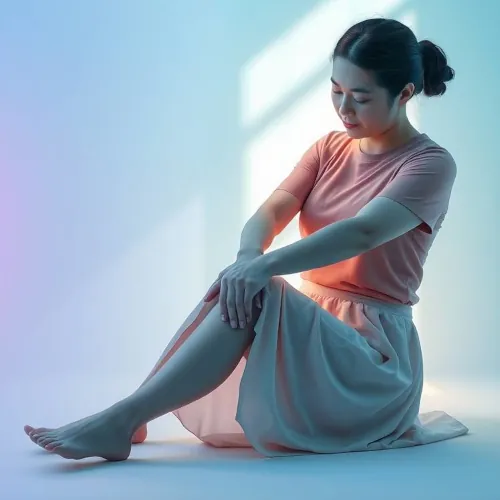
Japanese Okido Yoga uses simplified meridian massage techniques, accessible for beginners to safely practice self-massage (hogushi) or partner massage at home or in a studio. For calf self-massage, hands are not used—the weight of the other leg stimulates the meridians, promoting energy flow along the Bladder and Kidney meridians.
At the same time, Okido hogushi emphasizes mindfulness and self-observation to enhance therapeutic effects. Practitioners focus on breath and bodily sensations, cultivating awareness of subtle energy shifts. This mindful approach deepens relaxation, fosters emotional balance, and strengthens self-awareness.
Step-by-Step Okido Yoga Self-Massage for the Calves
1. Preparation
- Lie on your back with a straight spine to align your hara (body’s center).
- Place your right calf on your left knee.
- Take 5–10 slow, deep breaths (inhale through the nose, exhale through the mouth) to center your mind.
2. Action
- Rub your right calf against your left knee in slow, linear motions from ankle to knee, focusing on the Bladder meridian (center of the calf). Massage evenly about 10 times, coordinating with deep breathing.
- Divide the calf into four areas from Achilles tendon to knee ((1)(2)(3)(4)). Gently rub each area against the knee 10 times, moving bottom to top, for 1–2 minutes. Pay extra attention to the concave area near the Achilles tendon (1) and the fullest part of the calf, where key energy points lie.
- Switch to the left calf on the right knee and repeat.
3. Focus and Observation
Notice sensations like warmth, tingling, or tightness. Warmth may indicate improved energy flow, while coolness or resistance suggests a blockage.
If discomfort arises, discern if it’s physical (muscle soreness) or energetic (stagnation). Adjust pressure or focus on tight spots to release blockages.
4. Bodily Awareness
A subtle ache or knot may indicate tension along the Bladder meridian, often linked to kidney or bladder issues. Massage painful areas more thoroughly; initial discomfort may shift to a “painful but pleasant” sensation, signaling improved energy flow.
Outcome
This mindful massage promotes life energy flow, relieves physical tension, and fosters mental clarity. It strengthens the body-mind connection, leaving you grounded and revitalized.
Tips for Practice
- Massage each calf for 5–10 minutes daily, ideally on a futon or bed to improve blood flow upon waking or relax before sleep.
- Combine with gentle calf stretches (e.g., pointing and flexing the foot) to enhance meridian flow.
- Practice in a quiet space, followed by deep breathing or brief meditation for deeper benefits.